
Start Trucking Company
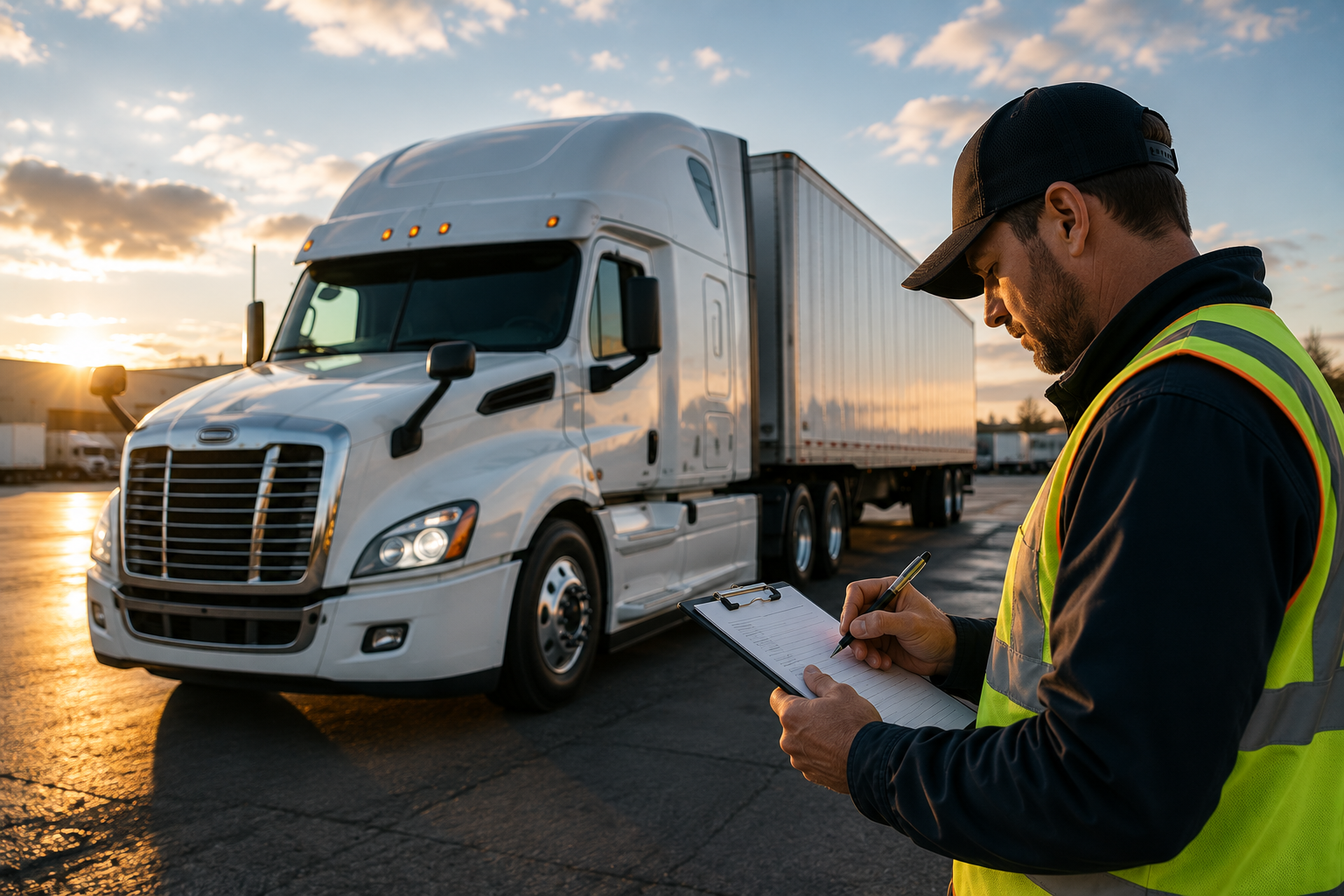
Starting your own trucking business might seem overwhelming at first, but with the right planning and dedication, it can become a profitable and rewarding venture. From obtaining the necessary licenses and purchasing reliable equipment to finding consistent loads and managing operations efficiently, every step contributes to long-term success. As your reputation grows and your fleet expands, your business can generate steady income, attract loyal clients, and create lasting financial opportunities in the transportation industry.
IFTA Filing
Trucking companies must register for an IFTA license and file quarterly fuel tax returns, even if no fuel was purchased or the vehicle was not in operation during that reporting period. Staying compliant with IFTA regulations helps avoid penalties, ensures accurate tax reporting across participating jurisdictions, and keeps your trucking business running smoothly.


IRP Plates
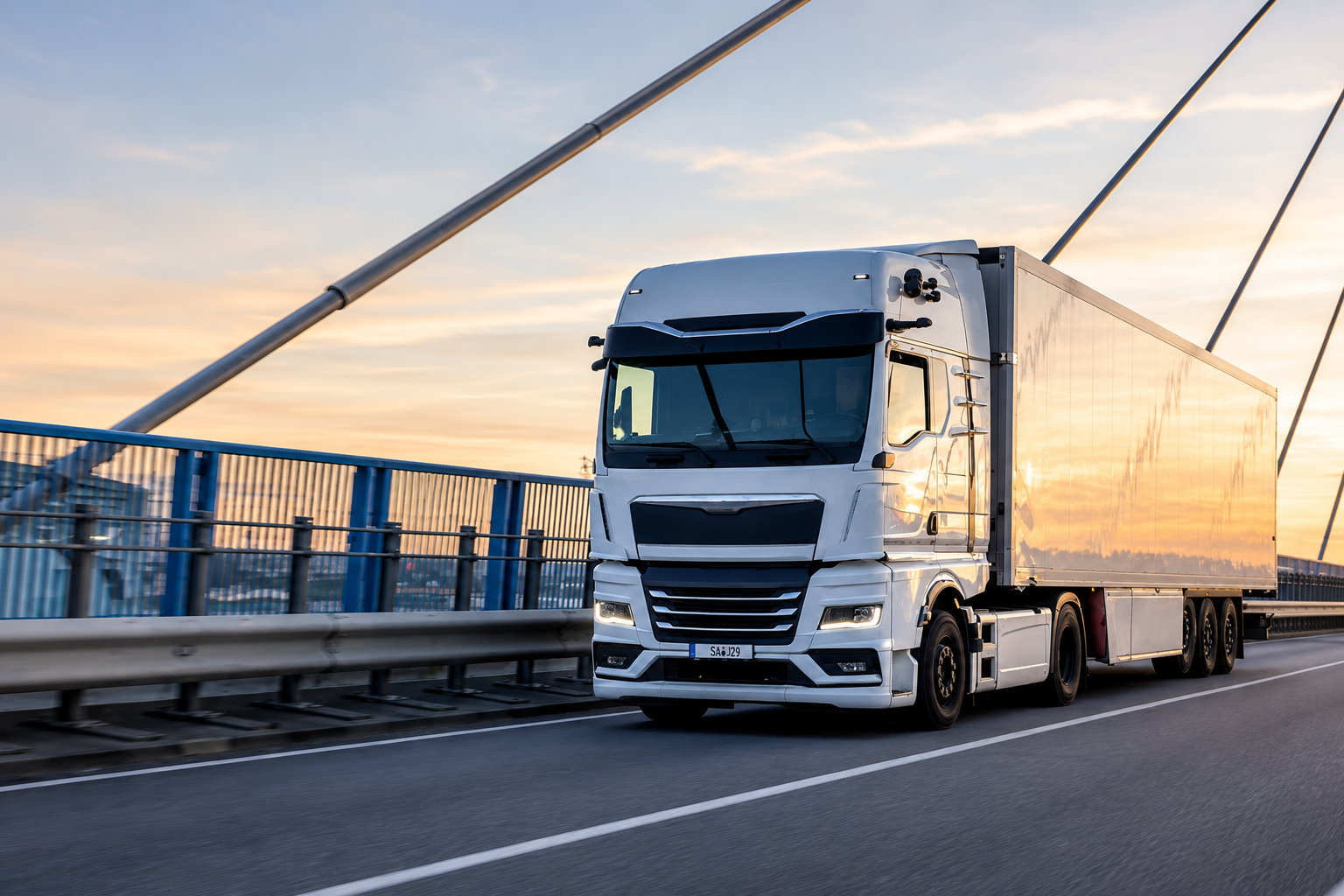
The International Registration Plan (IRP) is a cooperative agreement between U.S. states, the District of Columbia, and Canadian provinces that simplifies commercial vehicle registration. It allows trucking companies operating across multiple jurisdictions to register under one account while paying registration fees based on the distance traveled in each participating region, making interstate and cross-border operations more efficient.
MC/US-DOT
An MC Number (Motor Carrier Number) is an interstate operating authority issued by the Federal Motor Carrier Safety Administration (FMCSA) to trucking and moving companies engaged in interstate commerce. It serves as a unique identifier that authorizes carriers to transport regulated goods or passengers across state lines while ensuring they meet federal safety and operating requirements.


MCS150 Update
Before beginning operations as a commercial motor carrier, trucking companies must obtain a USDOT Number from the Federal Motor Carrier Safety Administration (FMCSA). This unique identifier is used to monitor safety records, compliance, inspections, and audits. Carriers are also required to keep their registration information up to date by completing annual or required biennial updates to remain compliant with federal regulations.

New Mexico Permit
The New Mexico Weight Distance Tax (WDT Tax) is a highway use tax imposed on commercial vehicles weighing 26,000 pounds or more that travel on New Mexico state highways. Trucking companies operating within the state must register for the tax, maintain accurate mileage records, and file regular reports to ensure compliance with state regulations and avoid penalties.